

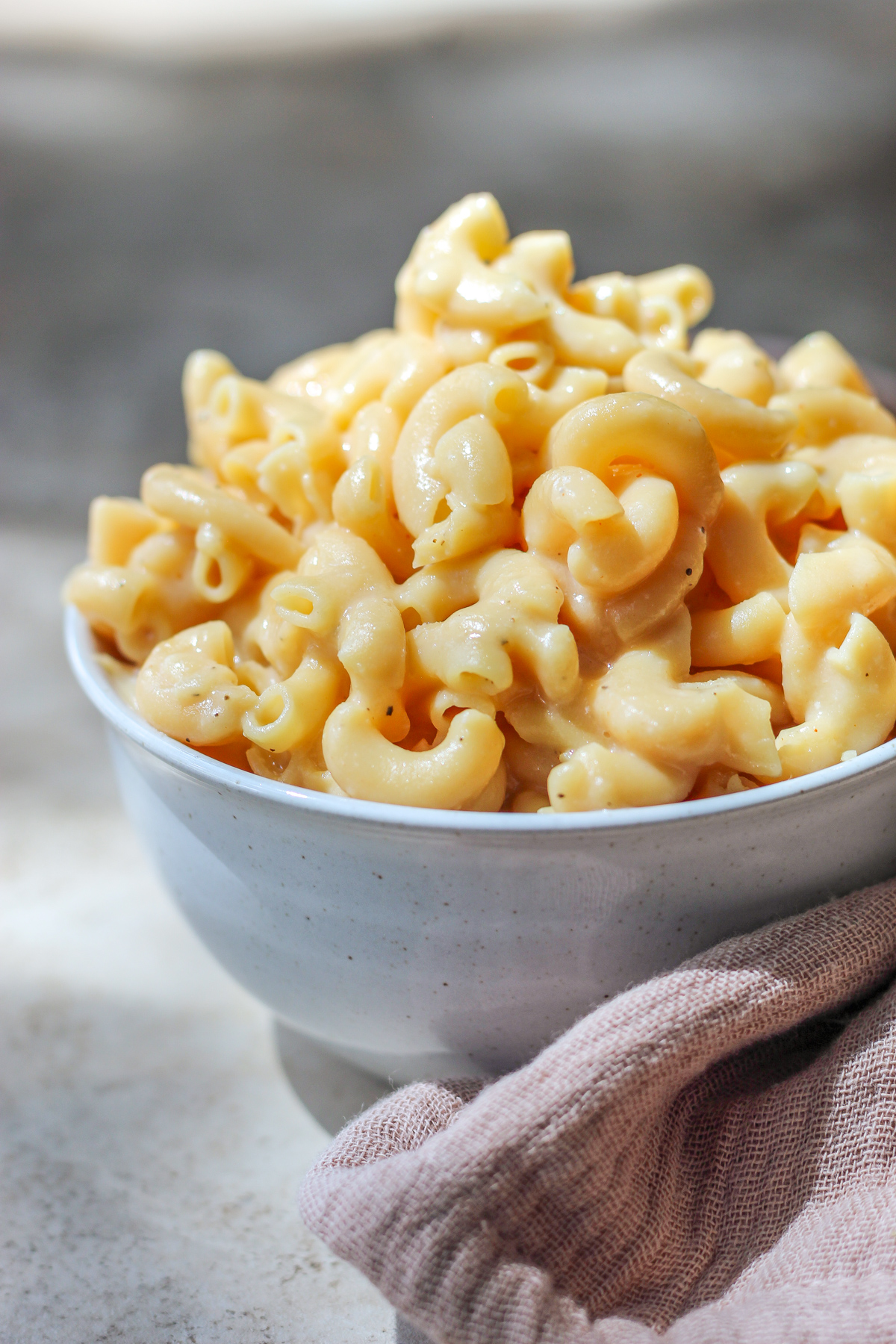
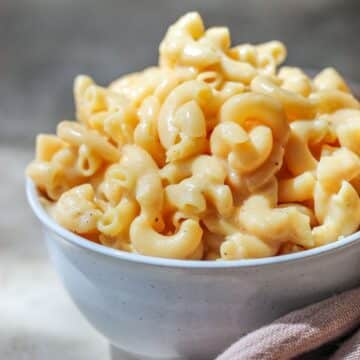
This is the creamy, cheesy mac and cheese you already love, just built to pack 38g of protein into every bowl, no protein powder required.
Recipe at a glance
- 📋 Recipe name: High Protein Mac and Cheese
- 👥 Servings: 4
- ⏲️ Total time: 30 minutes
- 🍴 Best for: Weeknights
- 🥘 Main ingredients: Protein pasta, cottage cheese, parmesan cheese, cheddar cheese
- 🔥 Cooking method:
- 👩🏼🍳 Flavor profile: Cheesy, cozy
- ⭐️ Difficulty: Easy
Jump to:
If you've searched "high protein mac and cheese" before, you've probably landed on a recipe that's either barely different from regular mac (19g protein, fine, not exciting) or one that leans so hard on protein powder that it tastes like a gym shake with noodles in it. This recipe splits the difference: 38 grams of protein per serving, made entirely from real food, cottage cheese, sharp cheddar, parmesan, and a high-protein pasta, with zero scoops of anything.
The trick isn't a secret ingredient. It's technique: most cottage-cheese mac and cheese recipes turn out grainy because the cottage cheese never fully breaks down. Blend it properly (I'll show you exactly how long and how smooth), and you get a sauce that's just as silky as a classic roux-based cheese sauce. Nobody at your table will know there's cottage cheese in it unless you tell them.
When I was testing this recipe, I kept it a secret from my husband that I added cottage cheese. After perfecting the recipe and getting his stamp of approval, I let him in on the secret, and he was shocked. You will be able to fool even the pickiest eaters with this recipe!
What makes this recipe unique
This isn't just another cottage cheese mac and cheese recipe. Here's what makes it different:
- 38g of protein per serving. Nearly double most "high protein" recipes on the internet, without a single scoop of protein powder
- A genuinely smooth sauce. The #1 complaint about cottage cheese based mac and cheese is a grainy or curdled texture. This method fixes that.
- On the table in 30 minutes. One pot for the sauce and one pot for the pasta also makes for easy clean up.
- Freezer and meal prep friendly. It reheats without breaking, which most cheese sauces won't do.
- Easy to push past 60g of protein. With the chicken variation below, you can up the protein by more than 20g.
Ingredients
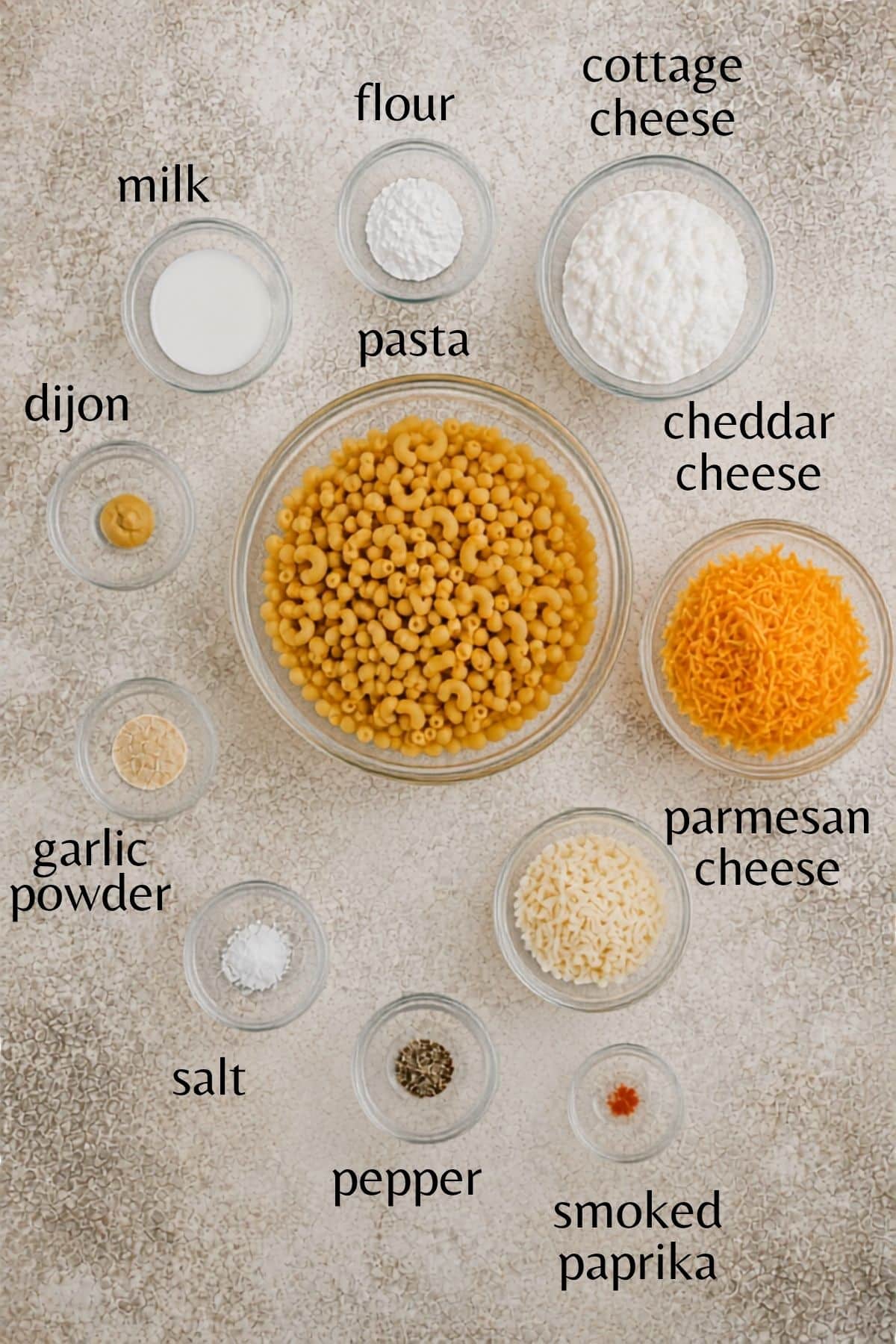
Ingredient notes
Pasta: Use a high protein pasta. Barilla Protein+ (chickpea, lentil, and egg white blend) is the easiest to find and has about 17g of protein per 3.5oz dry serving, roughly double regular durum wheat pasta. Chickpea or lentil pasta (like Banza) works too, though it holds up slightly less well to reheating. Regular pasta works in a pinch; you'll land closer to 28-30g of protein per serving instead of 38g.
Cottage cheese: This is where most of the protein and the texture risk comes from. Use 2% low-fat cottage cheese, not fat-free. Fat-free cottage cheese blends thinner and separates more when heated, which is exactly what causes that grainy, watery sauce you may have had before. 2% has enough body to blend fully smooth, while keeping the calories more reasonable than a full-fat or 4% version.
Cheese: Freshly grated sharp cheddar and parmesan, not pre shredded bags. Pre shredded cheese is coated in anti-caking starch that keeps it from melting smoothly, it's a small step that makes a real difference in how creamy the final sauce is. The parmesan isn't just for flavor, it's also a meaningful protein boost (about 10g of protein per ounce).
Milk: Nonfat (skim) milk works well here. The sauce gets its body from the cheese and a bit of flour, not from milk fat, so you're not giving up creaminess by going lean on the milk. If you want an easy extra protein bump without changing the flavor, swap in an ultra-filtered high-protein milk.
Recipe FAQs
The three highest-impact additions are cottage cheese blended into the sauce (adds roughly 9-10g of protein per ½ cup), a high-protein pasta swapped in for regular pasta (roughly doubles the pasta's protein), and a mix-in like shredded chicken, ground turkey, or a spoonful of Greek yogurt stirred in off the heat. Stacking two or three of these, like this recipe does, is how you get from the usual 12-14g per serving up to 35g+.
Yes. Substitute an equal amount of plain, full-fat Greek yogurt or whole-milk ricotta, both blended smooth the same way as the cottage cheese in this recipe. Greek yogurt will give you a slightly tangier sauce; ricotta gives the mildest flavor of the three. Either swap keeps the protein count close to the cottage cheese version.
Shredded rotisserie chicken and ground turkey are the easiest whole-food add-ins because they don't compete with the cheese flavor. Cottage cheese and Greek yogurt are the best options for boosting protein inside the sauce itself rather than as a mix-in. Crumbled bacon or sausage add protein too, but in smaller amounts relative to their calories.
How to Get a Smooth, Non-Grainy Cottage Cheese Sauce
- Blend the cottage cheese and milk first, on their own, for a full 60-90 seconds, longer than feels necessary. You're looking for a texture with zero visible curds, closer to heavy cream than to cottage cheese. It will be a pretty thick consistency. A high-speed blender or immersion blender works best; a food processor works too, just run it longer.
- Warm the sauce gently. Heat the blended mixture over medium-low, not medium-high. Cottage cheese protein can turn grainy again if it's shocked with high heat.
- Add cheese off the heat, in small handfuls, stirring each addition in before adding the next, the same way you'd finish a risotto. Dumping in all the cheese at once is the other common cause of a broken sauce.
- Toss with just-drained, still-hot pasta and a splash of reserved pasta water if it needs loosening. The starch in the pasta water helps everything cling together.
How to make
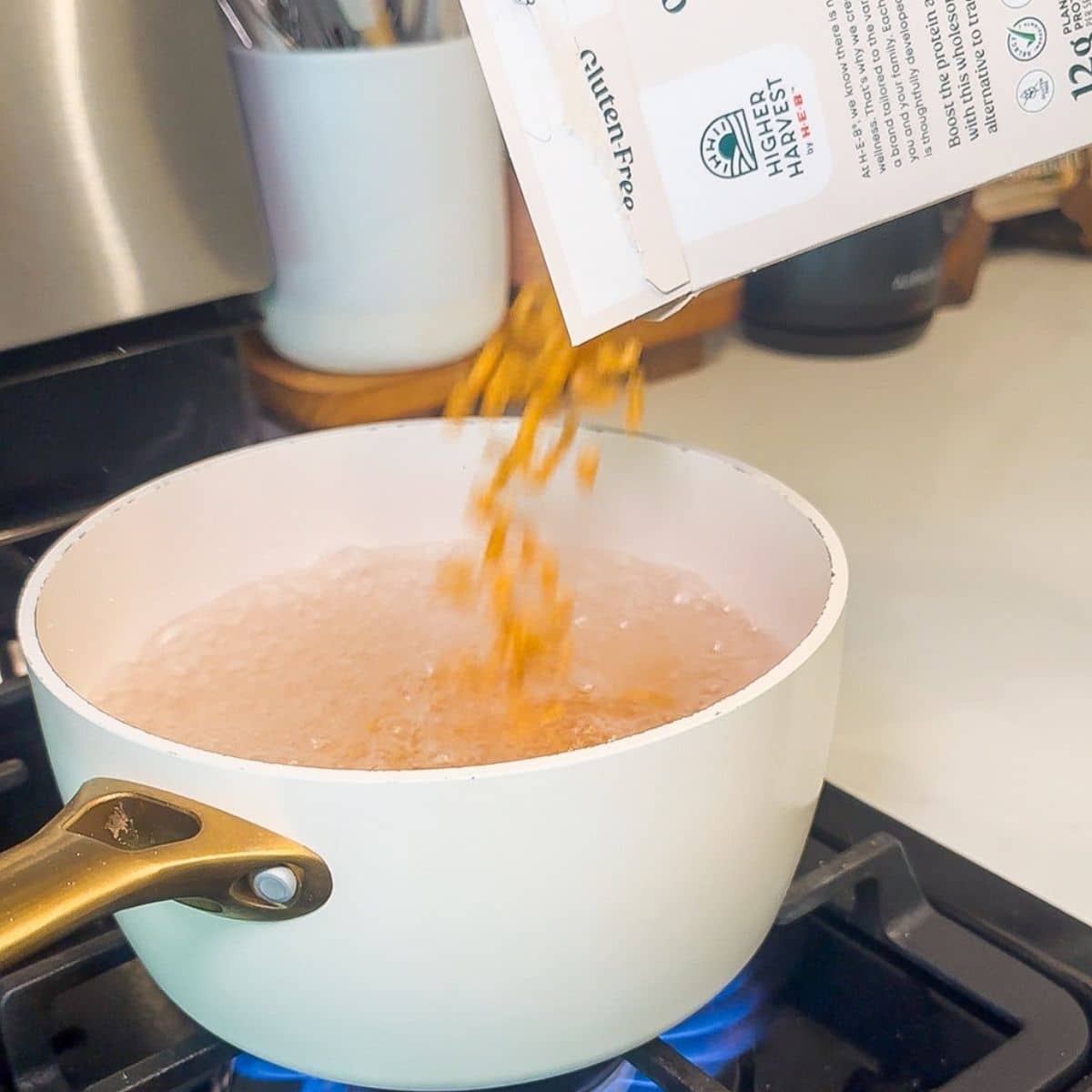
- Step 1: Bring a large pot of salted water to a boil and cook the pasta 1 minute short of package directions. Reserve ½ cup of pasta water, then drain.
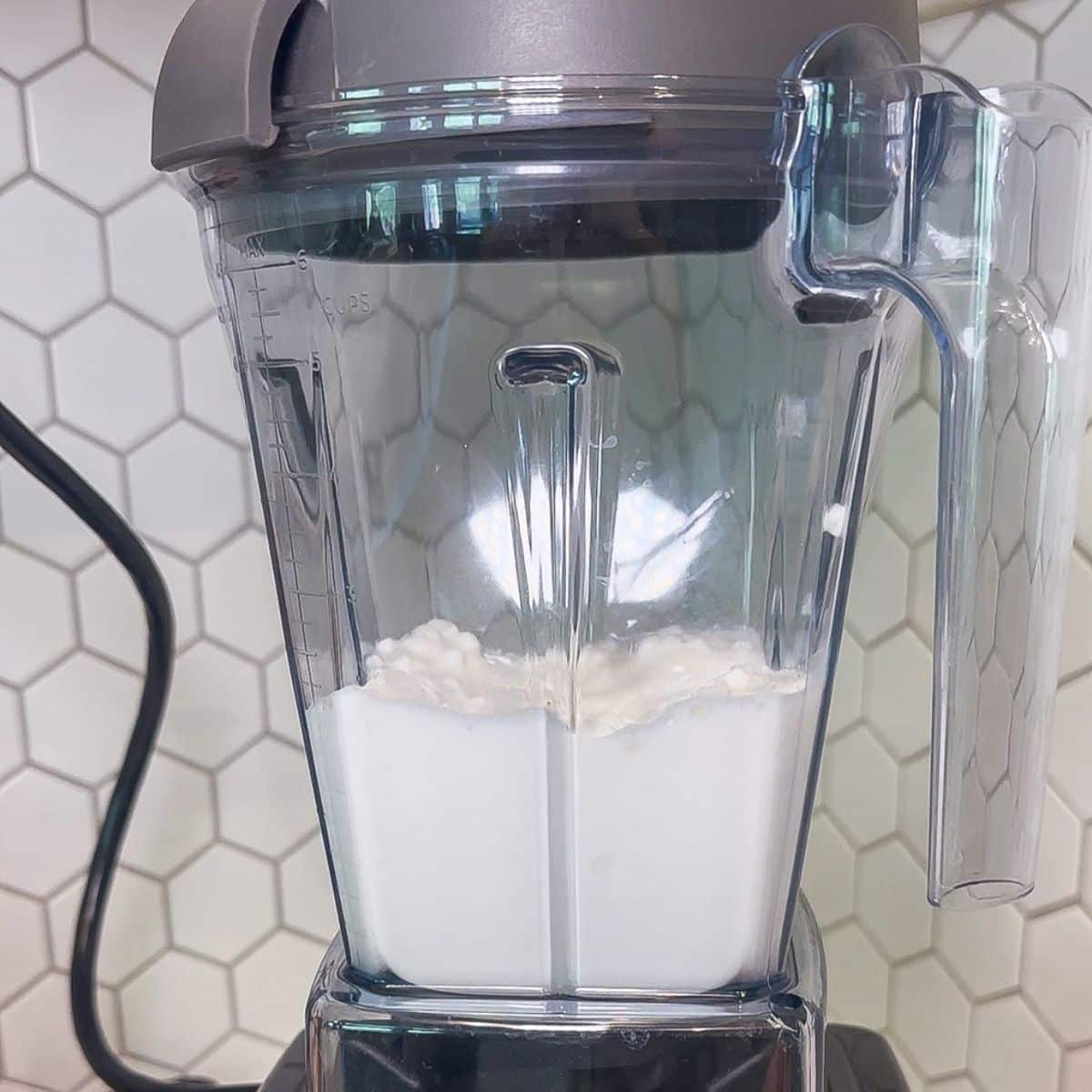
- Step 2: While the pasta cooks, add the cottage cheese and milk to a blender. Blend on high for 60-90 seconds, until completely smooth with no visible curds. It will be thick!
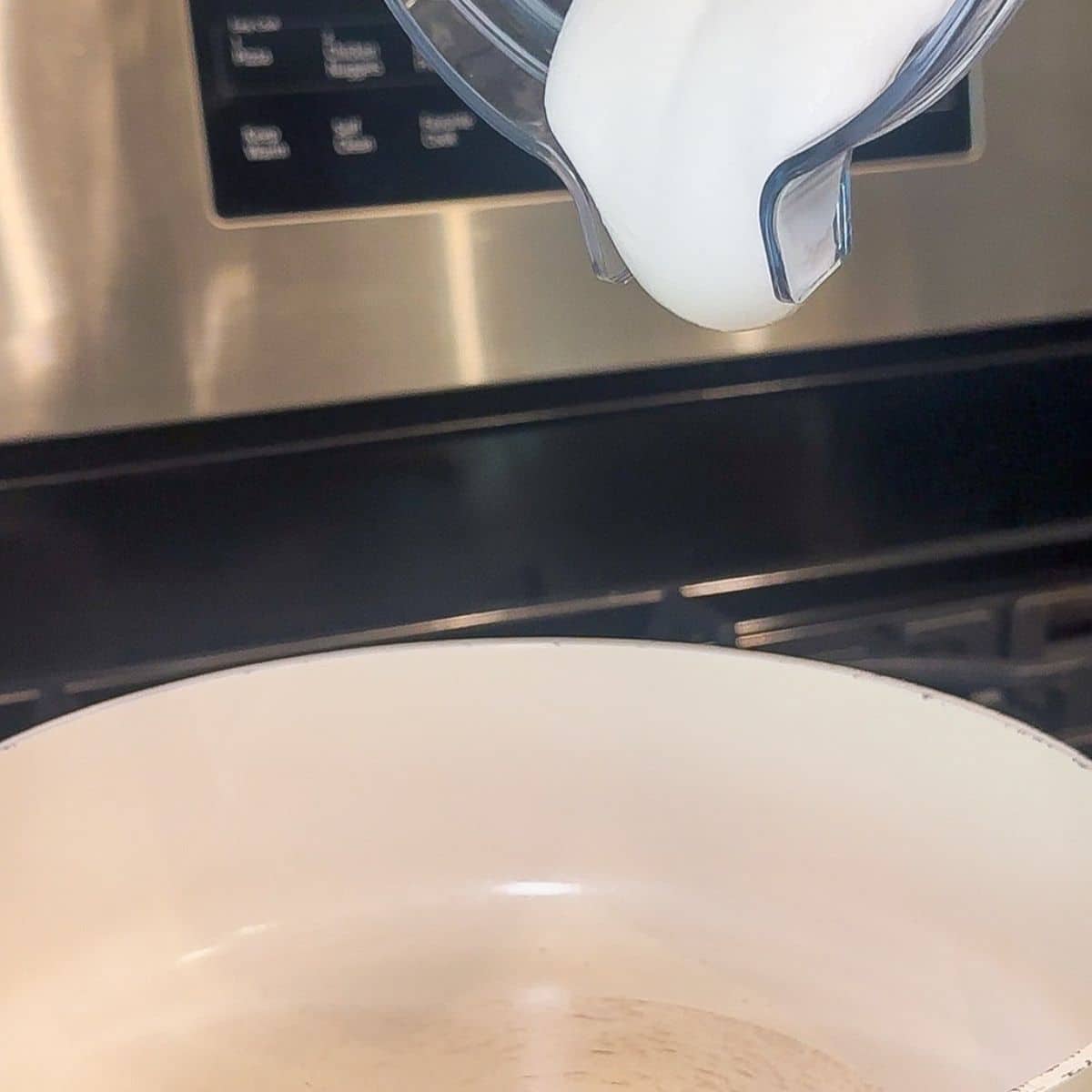
- Step 3: Pour the blended mixture into a large skillet or saucepan over medium-low heat. Whisk in the flour, mustard, garlic powder, paprika, salt, and pepper. The mixture is thick, so you may not be able to pour it out, you may need to use a spatula or spoon to help get it out.
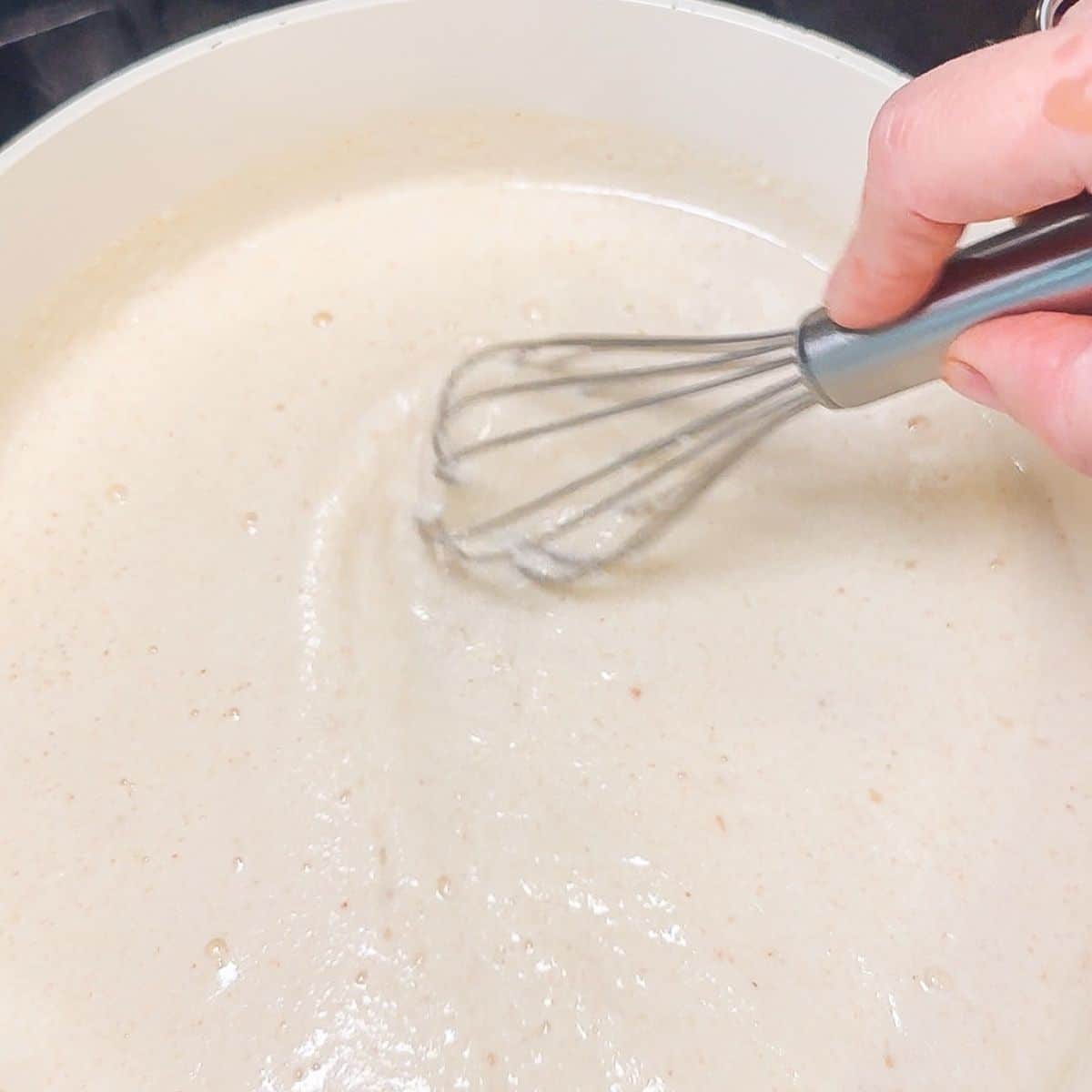
- Step 4: Cook, stirring often, for 3-4 minutes until the sauce thickens slightly and coats the back of a spoon. Do not let it boil.
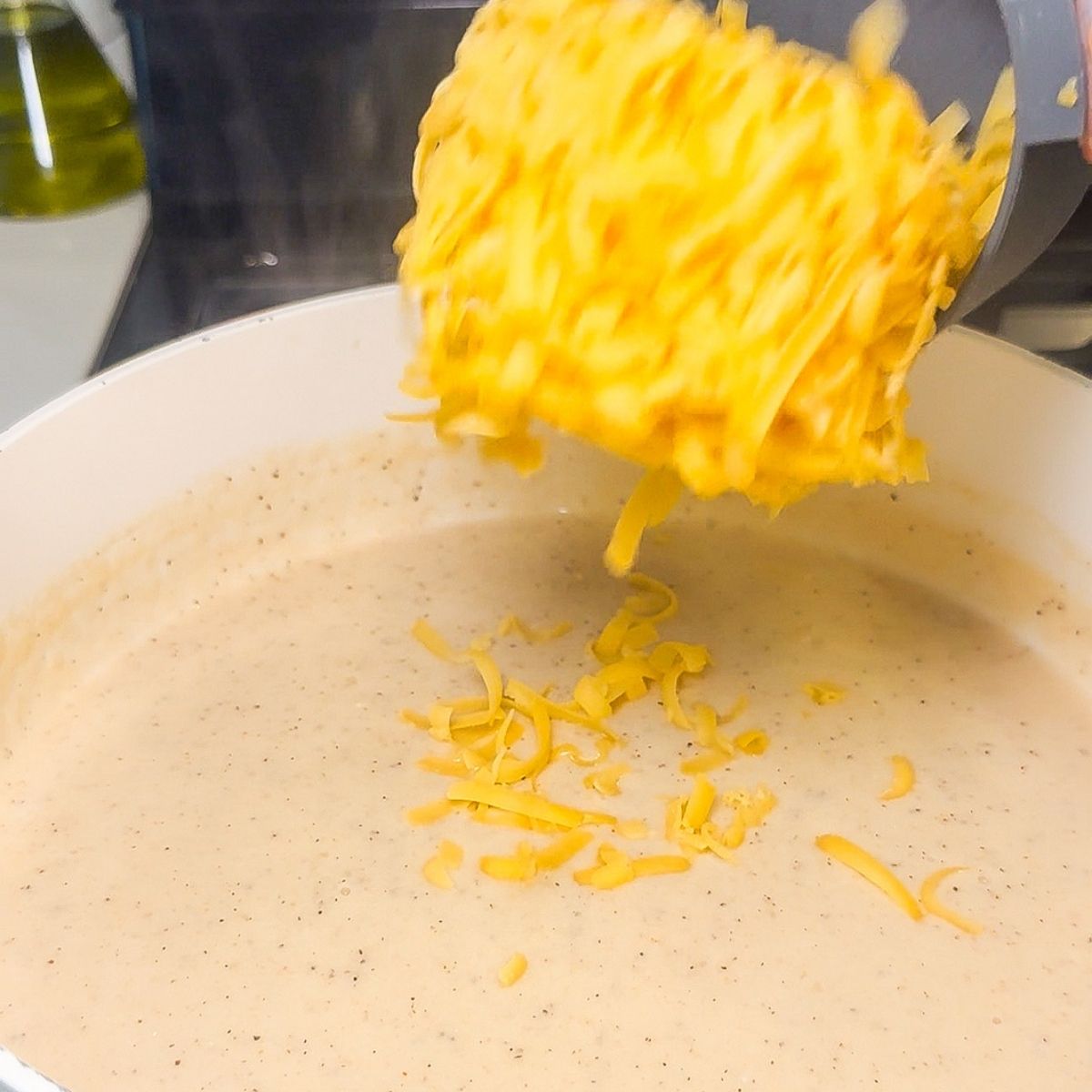
- Step 5: Remove from heat. Add the cheddar and parmesan in small handfuls, stirring until fully melted before each addition.
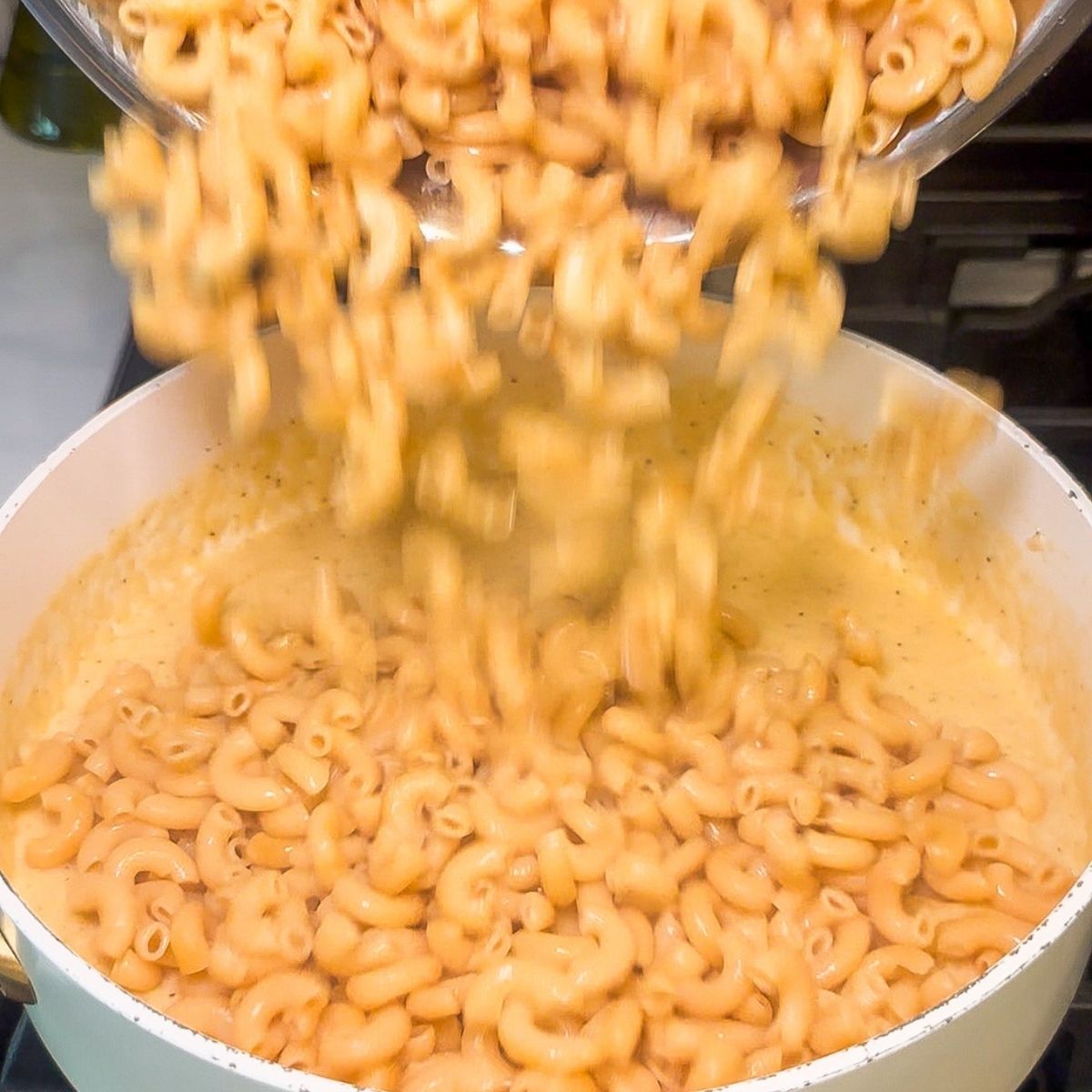
- Step 6: Add the drained pasta to the sauce and toss to coat, adding splashes of reserved pasta water as needed until it's glossy and clings to every noodle. Serve immediately.
Kaleena's Tips
- Actually time the blend. 60-90 seconds feels long when you're standing there, but it's the difference between a silky sauce and a grainy one. Stop and check with a spoon, if you can still feel any curd texture, keep blending.
- Pull the sauce off the heat before you add the cheese. Cheese added to a pan that's still hot and bubbling is how you get a greasy, separated sauce. Off heat, in small handfuls, patience pays off here.
- Reserve more pasta water than you think you'll need. This sauce thickens fast once the cheese goes in, and it's much easier to loosen it with a splash of starchy pasta water than to fix it after the fact.
- Serve it right away. Like most cheese sauces, this one is at its creamiest the moment it's made. It's still great the next day, just reheat low and slow with a little milk or pasta water to bring the sauce back to life.
- Grate your own cheese if you can. I know it's an extra step, but pre-shredded cheese won't melt anywhere near as smoothly, and it's the easiest way to sabotage an otherwise perfect sauce.
- This recipe is meant to be a full meal. 4 servings of this recipe give you a big bowl of mac and cheese and 38g per serving, but you can serve this as a side and get anywhere from 6-8 servings. Serving it as a side brings the protein to 19-25g a serving.
Storing and reheating
This recipe reheats better than most cheese sauces because the cottage cheese base doesn't separate the way a heavy-cream sauce does.
Fridge: Store in an airtight container for up to 4 days. Reheat gently on the stovetop or microwave in 30-second bursts, stirring between each, with a splash of milk to loosen the sauce.
Freezer: Freeze in individual portions for up to 2 months. Thaw overnight in the fridge before reheating.
Meal prep tip: If you're making a batch for the week, slightly undercook the pasta (closer to 2 minutes short of package directions) so it doesn't turn mushy after reheating.
If you make this recipe, I'd love to hear what you think! Leave a star rating or drop a comment below. Your feedback means so much to me! And if you snap a photo, tag me on Instagram at @kaleenas.kitchen so I can see your version!
Recipe
High Protein Mac and Cheese (38g of Protein-No Protein Powder)
EQUIPMENT NEEDED
- Large pot
- Blender
Ingredients
- 12 oz high-protein pasta
- 1 cup 2% low fat cottage cheese
- 1 cup sharp cheddar cheese, freshly grated
- ⅓ cup Parmesan, freshly grated
- ¼ cup nonfat (skim milk)
- 1 tablespoon flour
- 1 teaspoon Dijon mustard
- ½ teaspoon garlic powder
- ¼ teaspoon smoked paprika
- salt, to taste
- pepper, to taste
Instructions
- Bring a large pot of salted water to a boil. Cook pasta 1 minute short of package directions. Reserve ½ cup pasta water, then drain.
- Blend cottage cheese and milk on high for 60-90 seconds, until completely smooth with no visible curds.
- Pour into a large skillet or saucepan over medium-low heat. Whisk in flour, mustard, garlic powder, and paprika.
- Cook, stirring often, 3-4 minutes until slightly thickened. Do not boil.
- Remove from heat. Stir in cheddar and parmesan in small handfuls, melting each fully before adding more.
- Add drained pasta and toss to coat, using reserved pasta water as needed to loosen the sauce.
- Season with salt and pepper. Serve immediately.
Notes
- Use 2% cottage cheese, not fat-free, fat-free blends are thinner and are more likely to turn grainy.
- Don't skip the full 60-90 second blend on the cottage cheese and milk. It should look completely smooth, with no visible curds, before it goes in the pan.
- Add the cheese off the heat, in small handfuls, so the sauce doesn't break or turn greasy.
- Freshly grated cheese melts smoother than pre-shredded, worth the extra 2 minutes.
- Best eaten fresh. Leftovers keep in the fridge up to 4 days or the freezer up to 2 months; reheat gently with a splash of milk to bring the sauce back together.
- No cottage cheese on hand? Swap in an equal amount of full-fat Greek yogurt or whole-milk ricotta, blended the same way.
- For extra protein, stir in 2 cups shredded cooked chicken breast (brings this recipe to about 60g of protein per serving).
- 4 servings of this recipe gives you big bowls of mac and cheese and 38g per serving, but you can serve this as a side and get anywhere from 6-8 servings. Serving it as a side brings the protein to 19-25g a serving.
Nutrition
*nutrition information is an approximate
Share this recipe on Facebook
Hi, I'm Kaleena!
Here you'll find wholesome recipes made easy, with big flavor. I share easy, approachable recipes designed for everyday life, from 30-minute dinners and simple side dishes to cozy soups and crowd-pleasing favorites.
The focus is always on food that tastes amazing and feels doable. Whether you're cooking for a busy weeknight or a relaxed weekend at home, my goal is to help you feel confident in the kitchen and enjoy cooking meals you're excited to make.
Leave a Comment