

Do you have leftover cornbread you don't know what to do with? Read on to learn all about freezing your extra cornbread to use at a later date!
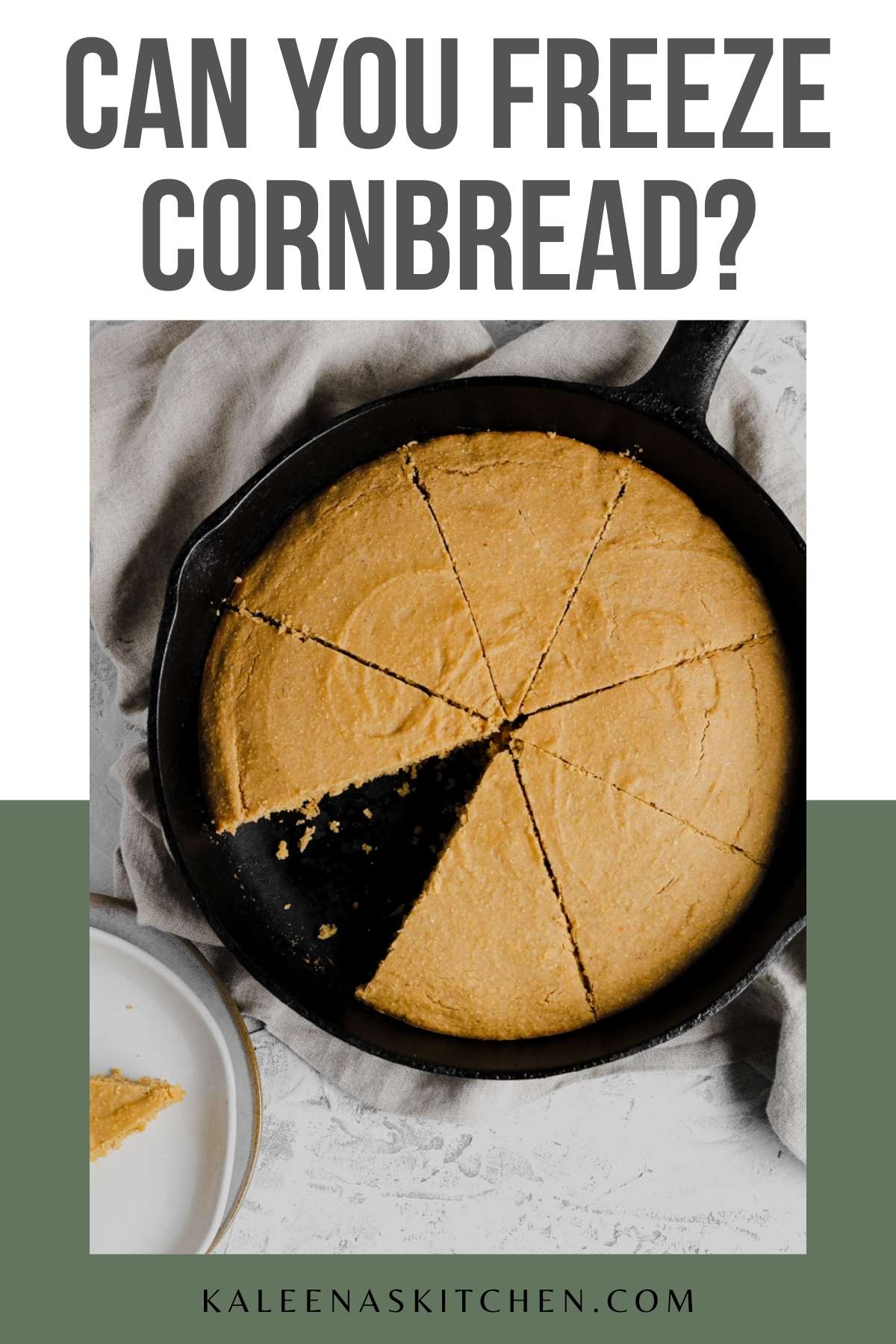
Yes, you can freeze cornbread! Wrapped properly, it keeps in the freezer for up to 3 months without losing its flavor or texture. Whether you have leftovers from dinner or you're prepping a batch ahead of time, freezing cornbread is one of the easiest ways to avoid food waste and always have a side dish ready to go.
In this guide, I'll walk you through the best way to freeze cornbread, cornbread muffins, and cornbread dressing, plus exactly how to thaw and reheat it so it tastes fresh-baked again.
Jump to:
- Does Cornbread Freeze Well?
- How Long Does Cornbread Last?
- How To Freeze Cornbread
- Best Containers for Freezing Cornbread
- Common Cornbread Freezing Mistakes
- Can You Freeze Cornbread Muffins?
- Can You Freeze Cornbread with Mix-Ins?
- Can You Freeze Cornbread Dressing?
- Can You Freeze Cornbread Batter?
- Benefits of Freezing Cornbread
- How to Thaw Frozen Cornbread
- How to Reheat Frozen Cornbread
- How To Make Homemade Cornbread
- What To Serve With Cornbread
- What To Do With Leftover Cornbread
- FAQs
Does Cornbread Freeze Well?
Yes! Cornbread freezes very well when stored properly. Once thawed and reheated, it tastes just as good as the day you baked it, which makes it easy to always have a batch on hand.
How Long Does Cornbread Last?
Here's a quick guide to how long cornbread stays fresh, whether you're keeping it on the counter, in the fridge, or in the freezer:
- Room temperature: 1-2 days in an airtight container. Cornbread dries out quickly once it's exposed to air, so don't leave it uncovered overnight.
- Refrigerator: 3-5 days, in an airtight container or wrapped tightly in plastic wrap.
- Freezer: 2-3 months for best quality. It's still safe to eat beyond that, but the texture and flavor start to decline.
If you know you won't finish your cornbread within a few days, skip the fridge and freeze it instead, it holds up much better long-term.
How To Freeze Cornbread
Freezing cornbread properly only takes a few extra minutes and makes a big difference in how it tastes when you thaw it.
- Cool completely. Let the cornbread cool fully before wrapping, this prevents condensation and sogginess in the freezer.
- Slice or portion it. Cut into individual slices or squares so you can thaw only what you need.
- Wrap tightly. Wrap each piece in plastic wrap or foil, covering the entire surface to block out air.
- Double up for protection. Place the wrapped pieces in a freezer bag or airtight container, this is my preferred method for avoiding freezer burn. Press out as much air as possible before sealing.
- Label and freeze. Mark the bag with the date so you know when to use it by, cornbread keeps for 2-3 months in the freezer.
Best Containers for Freezing Cornbread
The container you use matters almost as much as the wrapping. Here's what works best:
- Heavy-duty freezer bags: The easiest option for individually wrapped slices, just press out excess air before sealing.
- Airtight freezer-safe containers: A good choice if you're freezing a whole loaf or want extra protection against crushing.
- Vacuum-seal bags: If you freeze cornbread often, a vacuum sealer removes virtually all the air and is the best way to prevent freezer burn on longer-term storage.
Whatever you use, make sure it's actually freezer-safe, regular plastic containers can crack or let in air over time.
Common Cornbread Freezing Mistakes
A few small mistakes are usually why frozen cornbread turns out dry, mushy, or freezer-burned. Avoid these:
- Skipping the cooldown. Wrapping warm cornbread traps steam, which turns to ice crystals and makes it soggy when thawed.
- Wrapping too loosely. Any exposed surface invites freezer burn, wrap it snugly and remove as much air as possible.
- Freezing it as one big block. It's tempting to freeze the whole pan, but portioning it first means you're not stuck thawing more than you need.
- Forgetting to label it. Cornbread looks a lot like other frozen baked goods after a few weeks, a quick label saves you the guessing game.
- Reheating from frozen without covering it. Uncovered cornbread dries out fast in the oven or microwave, always tent it with foil or a damp paper towel.
Can You Freeze Cornbread Muffins?
Yes, cornbread muffins freeze beautifully for up to 3 months, and honestly, they're even more convenient to freeze than a full pan since they're already portioned.
How to freeze cornbread muffins:
- Let the muffins cool completely.
- Wrap each muffin individually in plastic wrap or foil.
- Place the wrapped muffins together in a labeled freezer bag, pressing out excess air.
- Freeze for up to 3 months.
I recommend wrapping muffins individually rather than tossing them loose into one bag, it protects them from freezer burn and means you can grab exactly the number you need without thawing the whole batch.
To reheat, thaw at room temperature or in the microwave on low power, then warm in the oven at 350°F for 5-10 minutes, or microwave in short 15-20 second bursts until warmed through.
Can You Freeze Cornbread with Mix-Ins?
Yes, cornbread with mix-ins like cheese, jalapeños, or corn kernels freezes just as well as plain cornbread. There's no special technique required; just follow the same steps above (cool, wrap tightly, freeze in an airtight bag or container). The only thing to note is that high-moisture add-ins like fresh jalapeños can very slightly soften the texture once thawed, but the flavor holds up perfectly.
Can You Freeze Cornbread Dressing?
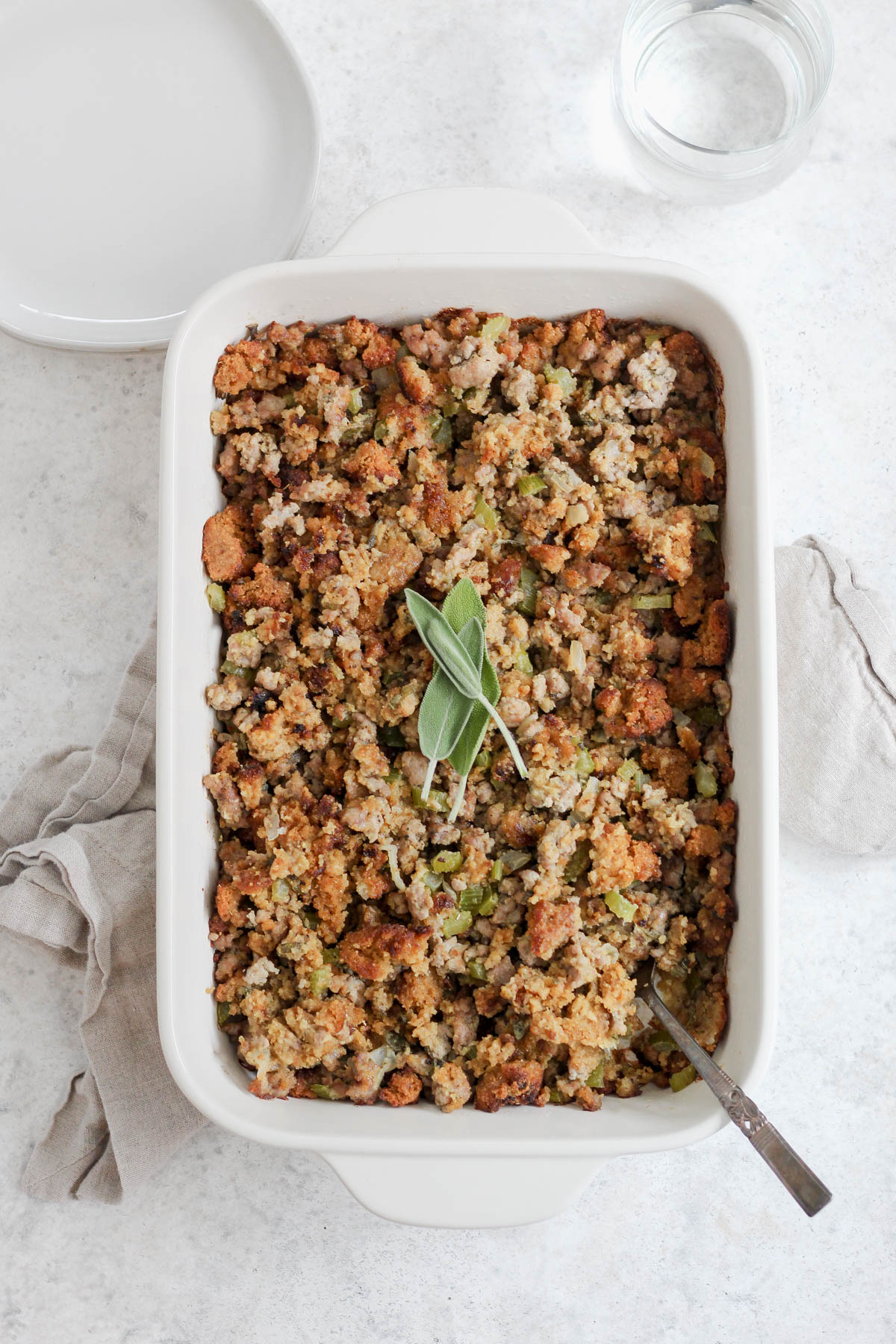
Yes! Every Thanksgiving it's my job to make the cornbread dressing or stuffing as some people like to call it. During the holidays things can get a bit hectic so premaking your cornbread dressing and freezing it is an easy way to help save you time. I recommend preparing your dressing up until baking and then freezing it.
You can also freeze leftover cooked cornbread dressing.
How to Freeze Cornbread Dressing
Remember that while freezing is a great way to preserve cornbread dressing, there might be a slight change in texture once it's thawed and reheated due to the moisture content. However, following these steps should help you enjoy frozen cornbread dressing that's still delicious and convenient.
Follow these steps to make your cornbread ahead of time and before cooking.
- Make dressing up until the step where you bake it.
- Put uncooked dressing in a greased casserole dish.
- Put one layer of plastic wrap around the baking dish.
- Cover the top of the casserole dish with two layers of foil
- Place in the freezer. Remove and let thaw completely before baking.
Follow these steps to freeze cooked cornbread dressing.
- Make your homemade cornbread dressing and let it cool completely to room temperature.
- Portion the cornbread dressing into meal-sized portions or whatever portion sizes you plan to use when reheating. This makes it easier to thaw and reheat only what you need.
- Wrap each portion tightly with plastic wrap or aluminum foil. Make sure to wrap it securely to prevent freezer burn and maintain the texture and flavor.
- If you prefer, you can also place the wrapped portions in airtight freezer-safe containers or resealable freezer bags. This provides an extra layer of protection against freezer odors and helps keep the dressing fresh.
- Clearly label each wrapped portion or container with the date of freezing and a description of the contents. This helps you keep track of how long it has been frozen.
- Place the wrapped or packaged portions of cornbread dressing in the freezer.
- When you're ready to enjoy the frozen cornbread dressing, remove the desired portion from the freezer. You can either thaw it in the refrigerator overnight or reheat it directly from frozen. To reheat, place it in the oven at 350°F until it's heated through. You may need to cover it with foil to prevent the top from becoming too crispy while the center heats up.
Can You Freeze Cornbread Batter?
It's generally not recommended to freeze cornbread batter before baking it. Freezing batter can alter its consistency and texture due to the formation of ice crystals, which can disrupt the structure of the batter and lead to undesirable results when baked.
For best results, it's better to bake the cornbread first and then freeze it, as mentioned previously. This way, you'll preserve the quality of the cornbread and ensure that it maintains its intended texture and flavor after thawing and reheating.
If you need to prepare cornbread in advance, you can bake it, cool it, portion it, and then freeze the individual portions. Or you can prepare it up until baking, freeze it, thaw it, then bake it. This will give you the convenience of having pre-made cornbread that can be easily reheated when needed.
Benefits of Freezing Cornbread
Freezing cornbread comes with a handful of real benefits:
- Less food waste: Instead of tossing extra cornbread, you can save it for later instead of letting it go stale.
- Built-in meal prep: Bake a big batch once and freeze portions for busy weeknights or holiday meals.
- Consistent quality: Properly frozen cornbread keeps its flavor and texture far better than cornbread left in the fridge too long.
- Portion control: Individually wrapped portions mean you thaw only what you need.
- Time savings: Homemade cornbread on a busy day, with none of the prep work.
How to Thaw Frozen Cornbread
- Refrigerator (best method): Place wrapped cornbread in the fridge for several hours or overnight. This is the gentlest way to thaw and keeps the texture intact.
- Room temperature: Leave wrapped cornbread out for 1-2 hours until fully thawed.
- Oven (for immediate use): Preheat to 200°F and warm the wrapped cornbread for 10-20 minutes, checking often so it doesn't dry out.
- Microwave (for immediate use): Unwrap and microwave on the defrost setting or low power in 30-second bursts until thawed but not hot.
How to Reheat Frozen Cornbread
Once thawed, or even straight from frozen, reheating cornbread is quick. Here's the best way to reheat frozen cornbread depending on what you have on hand:
- Oven: Preheat to 350°F, unwrap, and heat for 10-15 minutes until warmed through.
- Toaster oven: Preheat to medium and heat unwrapped for 5-10 minutes, great for small portions.
- Microwave: Heat on medium power in 20-30 second bursts to avoid drying it out.
- Skillet: For a crispy exterior, warm in a buttered cast iron skillet over medium heat for a few minutes per side.
Whichever method you choose, the goal is to heat it through without overdoing it, cornbread dries out fast once it's overheated.
How To Make Homemade Cornbread
Making homemade cornbread is simple and only takes a few pantry staples. My dairy-free cornbread recipe is my go-to. It is a classic southern cornbread recipe that comes together in 30 minutes, making it great for a weeknight side dish.
What To Serve With Cornbread
Chili and cornbread is a classic combo that never gets old. I always make a batch of my homemade cornbread to go with my southwestern bison chili. Cornbread also goes excellently with pot roast, potato soup, or crispy buffalo chicken and veggies.
What To Do With Leftover Cornbread
Leftover cornbread can be transformed into delicious dishes or used as a base for various recipes. Here are some creative ideas for what to do with leftover cornbread:
- Cornbread Croutons: Cut the leftover cornbread into small cubes, toss them with a bit of olive oil and your favorite seasonings, and bake them in the oven until they're crispy. These homemade cornbread croutons can be used to top salads, soups, or even as a crunchy snack.
- Cornbread Stuffing: Cube the cornbread and use it as a base for making cornbread stuffing.
- Cornbread Breakfast Casserole: Create a hearty breakfast casserole by layering cubed cornbread with cooked breakfast sausage, eggs, cheese, and vegetables. Pour a mixture of beaten eggs and milk over the layers, then bake until set.
- Cornbread French Toast: Turn leftover cornbread into a sweet breakfast by making cornbread French toast. Dip slices of cornbread in a mixture of beaten eggs, milk, and spices, then cook them on a griddle until golden brown.
- Chili or Soup Toppers: Crumble or cube the cornbread and use it as a topping for chili or soups. The cornbread adds texture and flavor to the dish.
- Cornbread Grilled Cheese: Make a gourmet grilled cheese sandwich by using slices of cornbread as the bread. Add cheese, veggies, and any desired fillings before grilling.
- Cornbread Crust for Quiche: Line a pie dish with crumbled or cubed cornbread to create a tasty crust for quiche. Fill the crust with your favorite quiche ingredients and bake.
- Cornbread Muffins: If you have cornbread that's a bit dry, you can crumble it and turn it into a cornbread muffin batter. Add some moisture like milk or yogurt, a bit of sugar, and additional flavorings before baking in muffin tins.
Remember, cornbread is quite versatile, and these ideas are just a starting point. Feel free to get creative and adapt these suggestions to suit your tastes and the ingredients you have on hand.
FAQs
Yes, homemade cornbread freezes very well when wrapped tightly and stored in an airtight container or freezer bag. It keeps for up to 3 months without losing much flavor or texture.
Yes, properly wrapped and stored cornbread tastes nearly identical to fresh once it's thawed and reheated. The key is wrapping it tightly to prevent freezer burn.
Yes, box-mix cornbread freezes just as well as homemade. Follow the same cooling, wrapping, and freezing steps outlined above.
Reheat it uncovered in the oven or skillet rather than the microwave when possible, this helps excess moisture evaporate instead of getting trapped, which keeps the texture from turning mushy.
Yes, mix-ins like cheese, jalapeños, and corn kernels freeze fine using the same method as plain cornbread.
Not much, both freeze well using the same wrapping and storage method. Store-bought cornbread may already be slightly drier, so it's worth wrapping it a little more generously to compensate.

Hey, I'm Kaleena
Here you'll find wholesome recipes made easy, with big flavor. I share easy, approachable recipes designed for everyday life, from 30-minute dinners and simple side dishes to cozy soups and crowd-pleasing favorites.
The focus is always on food that tastes amazing and feels doable. Whether you're cooking for a busy weeknight or a relaxed weekend at home, my goal is to help you feel confident in the kitchen and enjoy cooking meals you're excited to make.



Patsy Allen says
Made a skillet of cornbread for the first time in several months. It was so good I hated to discard it so looked up freezing, your blog came up. These are great ideas and I will use them. Thank you very much.